San Diego Basketball Club Teams Creating Stronger Community Bonds
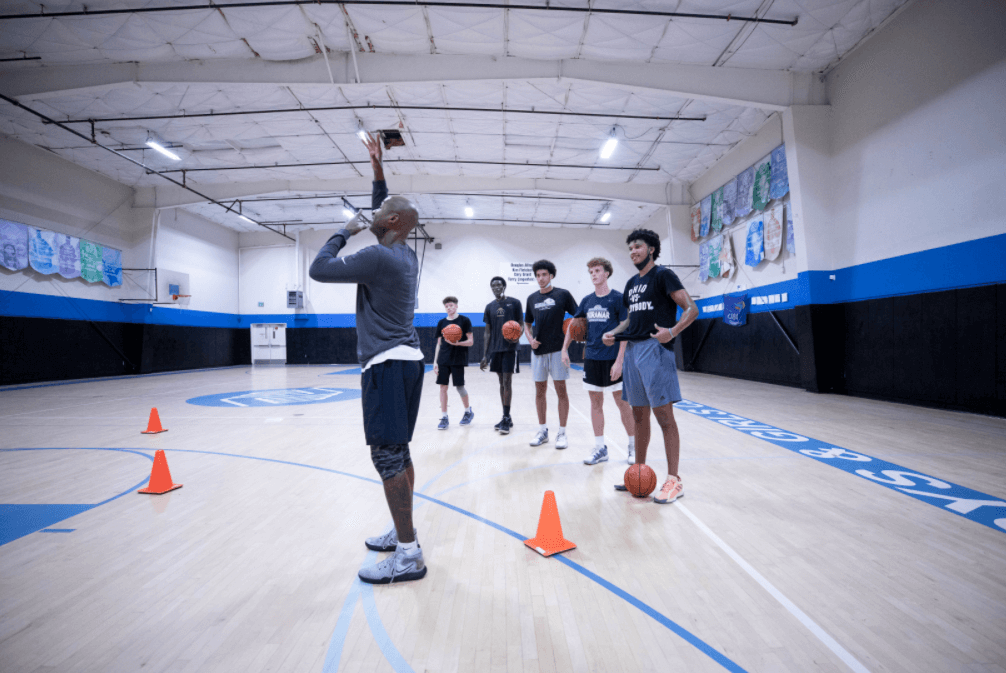
San Diego has always had a reputation for sunshine, beaches, and a laid-back coastal rhythm, but anyone who has spent real time in local gyms knows another side of the city. On weeknights and early Saturday mornings, school courts and training facilities fill with squeaking shoes, folding chairs, team coolers, and parents trying to balance competition with childhood. In that setting, basketball becomes more than a sport. It becomes a neighborhood connector.
The phrase Basketball Club Teams San Diego often brings to mind travel schedules, tournament fees, and elite development. Those pieces are real, and they matter. But reducing club basketball to rankings and recruiting misses the deeper story. Well-run club teams can create local identity, strengthen family networks, and give young players a place to belong during years when belonging is not always easy to find.
That community value does not happen automatically. It has to be built with intention, protected by adults, and reinforced season after season. The strongest programs understand that player development and community trust are not competing priorities. They feed each other.
More than a roster, less than a machine
Club basketball sits in a complicated space between school sports, recreation leagues, and private training. It can be more serious than a park league and more flexible than a school season. That flexibility is part of its power. It allows players from different neighborhoods, school systems, and backgrounds to share a team culture that would not exist otherwise.
In San Diego, that matters because the county is broad and varied. North County families may have different schedules, school calendars, and commuting habits than families in South Bay or East County. Coastal communities often have access to different facilities and youth sports ecosystems than inland neighborhoods. A club team can bridge those divides in a way that is practical, not abstract. Players who would never meet in a classroom end up learning how to defend a pick-and-roll together, how to trust each other late in a close game, and how to spend a full weekend supporting each other through wins and losses.
I have seen teams that started with players barely making eye contact during the first tryout evolve into groups that show up for each other’s school games months later. That kind of bond rarely comes from a single speech. It comes from shared work. A hard defensive practice on a Tuesday, a long drive to a tournament in Orange County, a team meal after a rough loss, and then another chance to compete the next morning. Repetition creates familiarity. Familiarity, when guided well, turns into trust.
Why San Diego is especially suited for community-centered club basketball
San Diego offers a mix that many basketball markets do not. The weather makes year-round participation easier. The county’s size supports a wide range of age groups and ability levels. The military presence also shapes the local sports culture in subtle but meaningful ways. Many families move in and out of the region, and for kids, that can be destabilizing. A strong basketball club team can become a fast social anchor.
For a middle school player whose parent has been transferred to San Diego midyear, joining a club team may be the first time they feel rooted. They learn names quickly, find routines, and gain access to peers who understand the language of effort and team roles. For parents, the team often becomes an informal support system. Carpools form. Sibling babysitting arrangements happen quietly. People trade advice about schools, trainers, and healthy places to eat near weekend venues. These details may seem small, but small details are how communities are actually built.
There is also a cultural diversity in San Diego that can make basketball a meaningful meeting ground. The sport asks for cooperation under pressure. It rewards communication, timing, sacrifice, and resilience. Those habits can cut across social lines that might otherwise remain fixed. On a healthy team, a player is not reduced to where they live or which school they attend. They are a ball-handler who needs to settle down against pressure, a rebounder who never takes possessions off, or a shooter whose confidence changes the game.
That shared basketball identity can be powerful for teenagers, especially in periods when social belonging feels fragile.
The coach sets the community ceiling
A club team’s culture almost always rises or falls with adult leadership. Talent can win games, but culture determines whether the program leaves the community better than it found it.
The best coaches in San Diego club basketball tend to have a few traits in common. They communicate clearly with parents, they define roles honestly, and they remember that young athletes are still growing emotionally. They are demanding without becoming theatrical. They know when to push and when to de-escalate. Most importantly, they understand that how a team behaves in a gym lobby, in a hotel hallway, or after a bad call says as much about the program as its record does.
I have watched coaches lose the room by treating every missed rotation like a personal betrayal. I have also watched coaches gain extraordinary buy-in by correcting hard, praising specifically, and staying steady. One approach creates compliance at best. The other creates investment.
That distinction matters because community bonds are built on emotional safety as much as shared activity. Players do not need a soft environment. They do need a stable one. If a coach humiliates players, plays favorites carelessly, or treats parents like nuisances, the team may survive a season, but the wider trust around the program starts to erode. Families talk. Kids remember.
By contrast, when coaches create standards that are consistent and visible, families often become more committed not only to that team but to the local basketball ecosystem around it. They volunteer at events. They recommend the program to younger families. They return as assistant coaches, scorekeepers, or mentors after their own children age out.
The family network that forms around the game
Parents often enter club basketball cautiously. They worry about cost, time, pressure, and whether the experience will actually help their child. Those concerns are justified. Club sports can become extractive if a program promises development but delivers chaos. Yet when a team is organized well, the family layer becomes one of its greatest strengths.
A season creates repeated contact in a way few other youth activities do. Families see each other in ordinary moments, not just staged events. They wait through delayed game schedules, search for parking at crowded gyms, compare notes on school stress, and celebrate milestones that have nothing to do with basketball. Over time, that repetition creates trust.
In San Diego, where commutes can be long and neighborhoods can feel segmented, these family ties matter. A parent from Chula Vista may end up helping a family from Carmel Valley when a game runs late and a sibling needs a ride. A guardian new to youth sports may learn from veteran parents how to handle tournament weekends without burning out the household. These are the kinds of practical exchanges that turn acquaintances into community.
A good club program also knows that parents need structure. Not control, but clarity. The healthiest teams are usually the ones that communicate expectations early and often.
- Practice schedules are released with enough notice to help families plan.
- Tournament commitments are clear before fees are due.
- Playing time philosophy is explained honestly, not softened into false promises.
- Coaches identify the best channel for concerns, which reduces sideline tension.
- Team events include moments for families to connect away from game stress.
None of that sounds glamorous, but operational clarity protects relationships. Uncertainty is where resentment starts.
Development is stronger when players feel they belong
There is a stubborn myth in youth basketball that community and competitiveness are opposites. Real experience says otherwise. Players improve faster in environments where accountability is paired with trust.
A young athlete who feels connected to teammates is more likely to accept coaching, stay through adversity, and recover from mistakes. They are less likely to interpret every correction as rejection. They are more willing to do difficult work that does not show up in highlight clips, such as making the extra pass, boxing out a stronger player, or defending without fouling for a full possession.
This is especially important in club basketball, where roles can be uneven. Not every player will be the leading scorer. Not every player will close games. A team without real community tends to fracture around those realities. Bench players disengage. Star players press. Parents begin reading every substitution as a verdict on their child’s future.
A connected team handles those pressures better. I have seen second-unit players celebrate just as hard for a teammate’s breakout performance because they had already built respect in practice. I have seen leading scorers accept double teams and trust role players because those role players had earned confidence over months of shared reps. That is basketball basketball club teams development, but it is also social development.
For adolescents, learning how to contribute when the spotlight is elsewhere may be one of the most valuable lessons the sport offers.
What stronger community bonds look like in practice
The phrase “community impact” gets used loosely in youth sports marketing, so it helps to be specific. In strong San Diego club programs, the community effect usually shows up in observable ways.
Players greet younger teams and sometimes stay to watch them play. Older athletes return during school breaks to help at camps or skill sessions. Families support fundraisers for travel assistance, not just for their own child’s team but for the wider program. Coaches know when a player is struggling outside the gym and make thoughtful adjustments rather than simply labeling them difficult.
Local clubs can also create bonds by connecting basketball to service. Some teams organize equipment drives, holiday outreach, or clinic days for younger kids who are new to the game. When those efforts are sincere and consistent, they widen the purpose of the team. Players begin to understand that wearing the jersey carries a responsibility beyond personal advancement.
The strongest version of this is not performative. It is not a once-a-year photo opportunity. It is a culture where helping out feels normal. That tone usually starts at the top and then gets copied by everyone else.
The role of local gyms, schools, and neighborhoods
Club teams do not operate in a vacuum. Their community effect depends partly on the relationships they build with gyms, schools, and local organizations. In San Diego, access to court space can be difficult and expensive. Programs that treat facilities with respect, honor agreements, and work collaboratively with school administrators are more likely to become trusted long-term presences.
That trust matters because gym space is not just a logistical issue. It shapes who gets to participate. If a club can secure consistent, geographically sensible practice locations, families with tighter schedules have a better chance of staying involved. If every practice requires an hour-long drive, community narrows quickly to those who can absorb that burden.
There is also something meaningful about kids practicing in spaces that feel connected to their wider life. A school gym where younger siblings can sit on the bleachers, or a neighborhood facility where local players recognize each other from pickup runs, gives the team roots. The environment stops feeling transactional and starts feeling shared.
San Diego’s basketball culture has always included a mix of formal and informal spaces. Club basketball is at its best when it respects both. The polished tournament court matters, but so does the local gym where a player first learned how to pivot without traveling.
The trade-offs families should weigh honestly
Not every club team strengthens community, and not every family should join one. That is worth saying plainly. There are trade-offs.
The financial side can be substantial. Fees, uniforms, tournament travel, private training, and incidental costs add up fast. Time demands can also strain households, especially when siblings are involved or when parents work weekends. Some athletes thrive in a competitive travel environment. Others may develop just as well, or better, through school teams, local rec leagues, and targeted skills work.
A healthy decision starts with the family asking the right questions, not chasing the loudest brand name. A reputable club should be able to explain its coaching philosophy, expected time commitment, development approach, and communication model without resorting to vague promises.
Here are a few questions that tend to reveal the truth quickly:
- How many players are typically carried on the roster, and how is playing time handled?
- What is the coach-to-player interaction like during mistakes and tense moments?
- How often are tournaments local versus out of county?
- What support exists for families who need flexibility or financial transparency?
- Do current and former families speak about the program with trust, not just excitement?
Programs that answer directly are usually easier to work with. Programs that dodge specifics often create the most friction later.
Basketball as a stabilizing force for teenagers
Middle school and high school years can be emotionally uneven even for kids who seem confident from the outside. Social hierarchies shift. Academic pressure rises. Screen life amplifies comparison. For many teenagers, a team becomes one of the few spaces where expectations are clear and effort still feels tangible.
That is one reason Basketball Club Teams San Diego can have such an important social role. A well-run team gives teenagers a place where discipline, routine, and face-to-face accountability matter. Players learn that they cannot mute a hard conversation or edit themselves into a better version. They have to show up, listen, recover, and contribute.
I remember speaking with a parent whose son had struggled after changing schools. He was quiet, talented, and increasingly disconnected. The basketball itself helped, but what changed him most was not scoring points. It was having teammates text him when he missed practice, then joke with him when he returned, then expect him to guard the other team’s best perimeter player. He was needed. For a teenager, being needed in a healthy environment can be transformative.
That story is not unusual. It is one reason communities continue investing time and money in youth sports despite the headaches. When the environment is right, a team can steady a young person during a period when many forces are pulling them apart.
When clubs get it wrong
To talk honestly about community, it is necessary to address the ways club basketball can damage it. Some programs oversell exposure and underserve development. Some chase talent so aggressively that younger or late-blooming players feel disposable. Others let sideline behavior spiral until families are competing with each other as much as opponents.
A team that is obsessed with status often becomes brittle. If winning is the only currency, relationships become conditional. Players learn to hide weakness rather than work through it. Parents become tense and territorial. Coaches feel pressure to perform authority instead of practicing leadership. Under those conditions, basketball may still produce moments of excitement, but it does not produce much trust.
San Diego is not immune to that pattern. No youth sports market is. The safeguard is not cynicism. It is discernment. Families, coaches, and directors need to pay attention to how a program feels over time. Not just whether it wins, but whether people grow there. Not just whether social media looks polished, but whether communication is respectful when things go wrong.
Community is easiest to advertise and hardest to fake over a full season.
A stronger local future starts with intentional programs
There is a genuine opportunity in San Diego right now for club basketball to serve as a stronger civic thread. The city has enough talent, enough diversity, and enough year-round activity to support programs that are both competitive and community-minded. But it takes intention.
It takes directors who recruit coaches for character as well as basketball knowledge. It takes coaches who understand youth development, not just tactics. It takes parents who value long-term growth over immediate status. It takes players who learn that being a good teammate is not a slogan, it is a daily discipline.
When those pieces line up, the effects extend beyond a single season. Younger siblings join. Former players return. Families stay connected after graduation. Local gyms become known not only for games played there, but for standards upheld there. That is how sports communities become durable.
San Diego does not need club teams that simply move kids from tournament to tournament. It needs programs that know how to build people while building basketball skill. The best ones already do. They produce sharper guards, tougher defenders, and more confident shooters, yes. They also produce friendships across neighborhoods, support networks across families, and a stronger sense that the city is stitched together in practical, human ways.
That is the real promise of Basketball Club Teams San Diego. Not just better players, but stronger community bonds that hold when the scoreboard is turned off.
Lamont Smith Basketball Academy
888 Clairemont Mesa Blvd Suite T-2, San Diego, CA 92123
(619) 639-8778
FAQ About Basketball Club Teams San Diego
How can a player join an LSBA club team?
Players are evaluated during practices so the coaching staff can recommend an appropriate team and development level. Families should contact the academy to confirm current openings and evaluation details.
Are club teams available for newer basketball players?
Yes. LSBA describes multiple levels, including a developmental option for newer players as well as more competitive teams for athletes with prior club experience.
What do LSBA club team practices emphasize?
Practices emphasize basketball fundamentals, team defense, structure, communication, and player development. The specific focus may vary according to the team and experience level.
Do all LSBA teams travel?
Travel expectations vary by level. Some teams focus on local competition, while advanced teams may participate in tournaments elsewhere in Southern California or beyond. Families should confirm the current schedule before enrolling.